




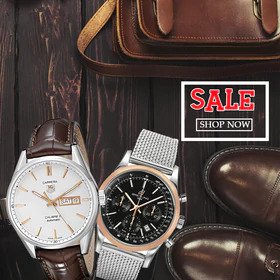

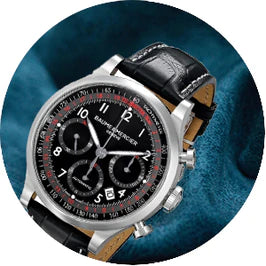


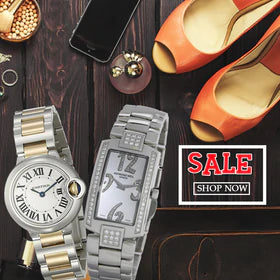

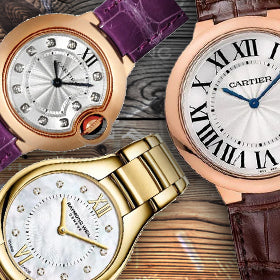


A luxury watch is not just a tool for telling time-it's a symbol of style, status, and precision. These timepieces are designed for those who appreciate the finer things in life, blending form, function, and heritage to set them apart from ordinary watches. But what exactly defines a luxury watch? From the materials used in their construction to the intricate movements that power them, luxury watches are a product of meticulous craftsmanship and an investment in both beauty and performance.
Let us find out about the elements that make a watch luxurious- premium materials, movements, and craftsmanship. Whether you’re an aspiring luxury watch buyer, a seasoned watch enthusiast, or searching for the perfect luxury watch for women or men, understanding these components is key to selecting the right timepiece for you. By examining the nuances of watch categories, Swiss vs Japanese movements, and how luxurious watches hold value, you'll gain insight into what truly makes a watch worthy of being called "luxury."
What Defines a Luxury Watch?
A luxury watch is not just a timepiece- it’s a work of art. Three core attributes define any luxury watch: precision, materials, and craftsmanship.
1. Precision
The primary function of any watch is to tell time. A luxury watch is defined by its ability to do this with the utmost accuracy. Swiss movements, renowned for their meticulous craftsmanship, are often regarded as the benchmark of precision. The accuracy of a watch is essential, as it speaks to its reliability and craftsmanship.
2. Materials
The materials used in luxurious watches contribute to both their aesthetic appeal and their durability. Commonly used materials include stainless steel, gold, titanium, and sapphire crystal. These materials not only uplift the look and feel of the watch but also ensure longevity. For instance, gold watches are revered for their luxurious look, while titanium is favored for its lightness and strength.
3. Craftsmanship
The final element that defines a luxury watch is its craftsmanship. Watches in this category often undergo hours, if not days, of hand-finishing. This can include polishing, engraving, and other manual techniques that add intricate details to the timepiece. Handcrafted finishes are an essential part of what makes a watch stand out.
These attributes work together to create a watch that isn’t just functional but is a testament to the art of horology.
Watch Categories Explained

The world of luxury watches can be divided into different categories, each catering to a unique market segment. Understanding these categories helps buyers make informed decisions about what they are looking for in a watch. The key categories include-
1. Entry-Level Luxury Watches
This category caters to first-time buyers or those looking for a high quality watch at a more affordable price. While these watches may not feature the same level of complexity as higher-end pieces, they still embody the characteristics of luxury watches with materials such as stainless steel, leather, and quartz or automatic movements. Brands likeOmega andTAG Heuer offer entry-level options for those just stepping into the world of horology.
2. Mid-Tier Luxury Watches
These watches offer a step-up in complexity and craftsmanship. They often feature Swiss movements, high-end materials, and advanced complications. Mid-tier luxury watches may feature moon-phase displays, chronographs, or power-reserve indicators. These watches are still affordable compared to high-end timepieces, but are considered a significant investment for any serious watch lover.
3. Haute Horology
This category represents the pinnacle of watchmaking, encompassing the most complicated and intricate timepieces available. Haute horology watches feature mechanical movements, hand-finished components, and unique materials such as platinum or titanium. Brands like Patek Philippe, Audemars Piguet, and Vacheron Constantin are at the forefront of this category, offering watches that can cost tens of thousands or even millions of dollars.
Materials That Define Luxury

When it comes to luxury watches, the material used is paramount. Here are some of the key materials that define these high-end timepieces-
-
Stainless Steel
Stainless steel is the most commonly used material for luxury watches. It’s highly resistant to rust and corrosion, making it both durable and practical. Stainless steel watches can range from classic designs to sporty, high-performance models, ensuring they remain a staple in the luxury watch market.
-
Gold
Gold adds a level of elegance and prestige to any timepiece. It’s often used for watch casings, especially in high-end luxury models. Yellow gold, rose gold, and white gold are the three main types of gold used in luxury timepieces. Gold also retains its value over time, making it a favorite among investors.
-
Titanium
Titanium watches are known for being lightweight yet incredibly durable. They are perfect for those who value comfort without sacrificing strength. Titanium is also corrosion-resistant, making it ideal for outdoor wear. As a bonus, titanium watches often have a unique matte finish, giving them a modern, sleek look.
-
Sapphire Crystal
The face of a luxury watch is typically made of sapphire crystal, a durable material that is highly resistant to scratches. This ensures that the watch maintains its pristine appearance even after years of use.
Movements Explained
The movement of a watch is its heart and soul. It determines how the watch keeps time and often dictates the price and complexity of the timepiece. Here’s a breakdown of the most common movements found in luxury watches-
1. Mechanical Movement
A mechanical watch relies on a mainspring to power the movement. It requires manual winding to keep the watch ticking, and it’s often prized for its traditional nature. Mechanical watches can be found in some of the most luxurious watches, providing a sense of nostalgia and craftsmanship.
2. Automatic Movement
Automatic watches are mechanical watches that don’t require manual winding. The wearer’s wrist movement winds the mainspring, keeping the watch powered. Automatic watches are a popular choice for luxury watch brands as they offer convenience and the beauty of mechanical precision.
3. Quartz Movement
While quartz watches are typically more affordable, they are known for their accuracy and low maintenance. Luxury quartz watches often feature high-end designs and materials, offering a balance of precision and luxury.
Swiss vs Japanese Movement
When it comes to the Swiss vs Japanese movement, the debate often centers on two primary aspects- accuracy and cost. Swiss movements, used in brands like Rolex and Omega, are known for their prestige, refinement, and impeccable accuracy. On the other hand, Japanese movements, found in brands like Seiko and Citizen, are revered for their reliability, affordability, and innovation.
- Swiss Movements- Often regarded as the gold standard in horology, Swiss movements are highly coveted in the luxury watch market due to their fine craftsmanship, precision, and high quality.
- Japanese Movements- While not as prestigious as Swiss-made movements, Japanese movements offer great value for money and are known for their durability and accuracy. They’re often seen in entry-level luxury watches but also appear in high-end models.
Craftsmanship & Finishing
No matter how good the materials or movements are, craftsmanship elevates a luxury watch into the realm of true excellence. The process involves hand-finishing, engraving, polishing, and assembly, ensuring each piece is perfect. Watchmakers spend hours perfecting the details, and this meticulous attention to detail is why luxury watches are so highly prized. Quality control is also a critical aspect of craftsmanship, ensuring that every watch meets the highest standards before it reaches the consumer.
Do Luxury Watches Hold Value?
One of the key attractions of owning a luxury watch is the potential for it to retain or even increase in value. While not all watches appreciate over time, many luxury watches from established brands like Rolex, Patek Philippe, and Audemars Piguet have proven to hold their value. Watches that are rare, limited edition, or discontinued are more likely to increase in value.
If you are looking for a watch that is both beautiful and potentially lucrative, investing in a luxury watch that holds value can be a smart choice. However, factors like condition, brand reputation, and market trends play a major role in the long-term value of a timepiece.
Best Luxury Watches for Men & Women
Whether you are looking for a luxury watch for men or a luxury watch for women, there are several options available across different price ranges and styles. Rolex, Tag Heuer, Omega, and Cartier are some of the top brands that offer both men’s luxury watches and women’s luxury watches, each designed to cater to different tastes and preferences. When choosing a luxurious watch, it’s essential to consider factors such as brand, design, and functionality.
Choosing Your First Luxury Watch

Choosing your first luxury watch can feel daunting, especially with so many options available. The key is to begin with trusted luxury watch brands that offer a solid balance of quality, craftsmanship, and reliability. Brands like Seiko, Longines, and Tissot provide entry-level options that deliver high-quality materials and dependable movements at a more accessible price point. When selecting your first luxury timepiece, consider the design, movement type, and the watch’s overall aesthetic to ensure it suits your personal style. Minimalist watches offer clean lines and versatility, while more complex designs, such as automatic or mechanical movements, bring additional value. Pay attention to how the watch feels on your wrist, and make sure it complements your wardrobe and lifestyle. Starting with a reputable brand and focusing on key features will ensure you make an informed decision and enjoy wearing your new luxury watch for years to come.
Accessories & Storage
A luxury watch box is an essential accessory for any watch collector. Not only does it serve as a safe place to store your precious timepieces, but it also acts as a beautiful display case, allowing you to showcase your collection with pride. Luxury watch boxes are designed to protect your watches from dust, moisture, and scratches, helping to preserve their condition for years to come. These boxes often feature padded compartments to securely hold each watch and keep them organized. For avid collectors or anyone owning a high-end timepiece, investing in a luxury watch box ensures that your watches are protected when not in use, preventing unnecessary damage. Whether you’re storing one or several pieces, this accessory is vital for maintaining the longevity and value of your timepieces, ensuring they remain in pristine condition for generations.
Wrapping Up
In conclusion, a luxury watch is defined by its exceptional materials, precise movements, and superior craftsmanship. From gold, stainless steel, and titanium to the ongoing debate of Swiss vs Japanese movements, every detail contributes to a watch’s overall appeal. Whether you’re looking for your first entry-level luxury watch or seeking a timepiece from an established luxury brand for long-term investment, understanding these fundamental elements will help you make the right choice. A luxury watch offers more than just functionality-it’s a timeless accessory that blends style, precision, and legacy. AtBezali, we offer a curated selection of exquisite watches that combine craftsmanship with long-term value. Browse our collection today and invest in a watch that will not only improve your style but also become a treasured heirloom for the future. Shop now at Bezali and get the perfect timepiece that suits your unique taste.
FAQs
1. What makes a watch a luxury watch?
Premium materials, precise movements, and expert craftsmanship define a luxury watch
2. Is the Swiss movement better than the Japanese?
Swiss movements are known for prestige and finishing, while Japanese movements offer excellent reliability and value.
3. Do luxury watches hold value?
Certain luxury watches from established brands retain or increase in value over time.
4. What materials are used in luxury watches?
Luxury watches use stainless steel, gold, titanium, sapphire crystal, and premium leather


Leave a comment (all fields required)